How long should a YouTube intro be?
Keep a standalone logo-and-music sting brief, and let the opening begin delivering the video's promise immediately. As an editing starting point, try a version with a two-to-five-second sting and another with no separate sting at all. That range is a practical comparison to make, not a YouTube rule or a proven optimum.
The complete opening may need more time than the brand animation. A tutorial needs to establish the problem; an interview may need a revealing excerpt; a story may need an opening scene. Judge those moments by what they do for the viewer, not by whether they fit one universal countdown.
The key question is: when does the viewer first receive something they came for?
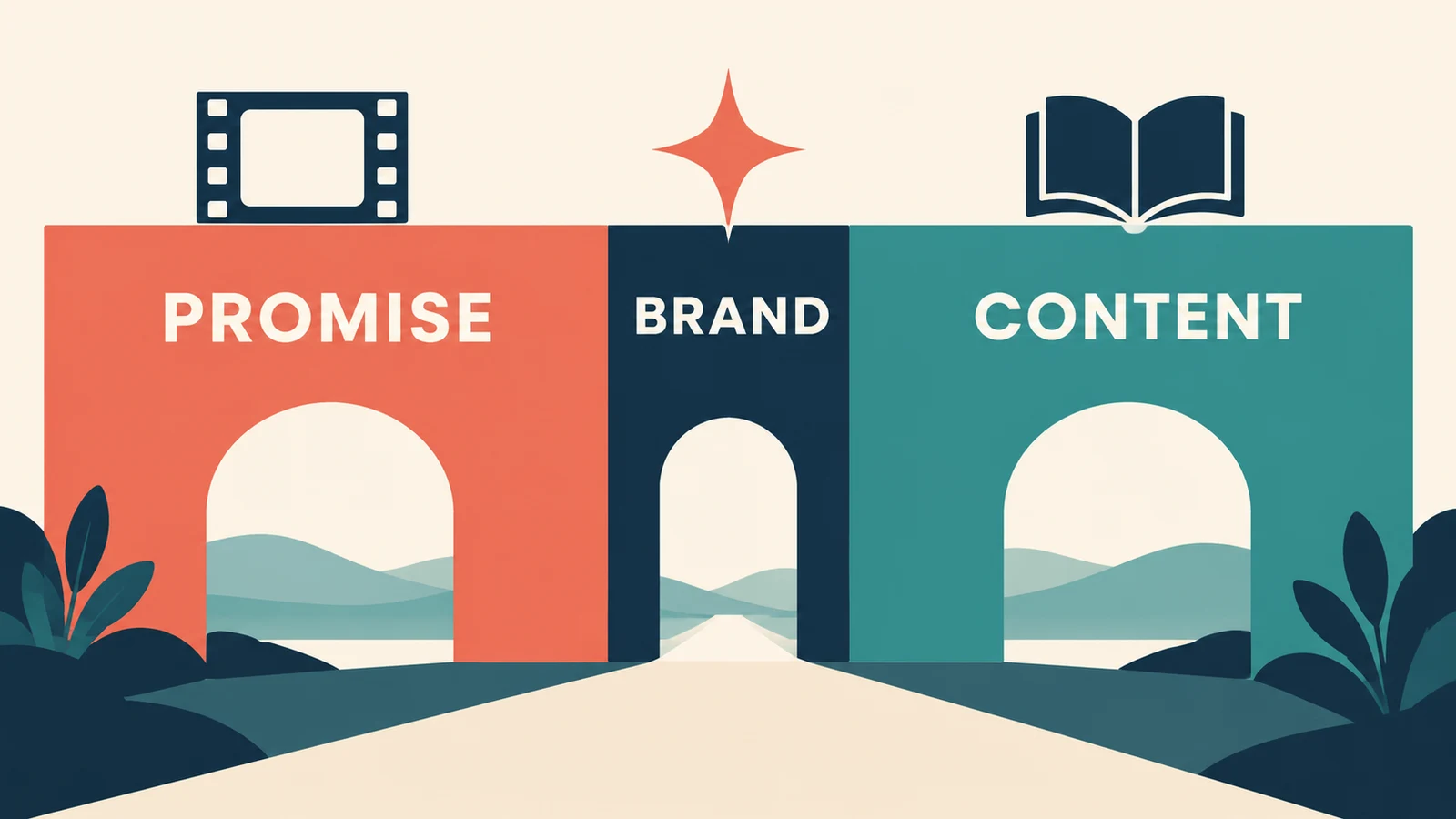
Separate the hook, brand sting, and useful content
Creators use “intro” to mean several different things. Split them apart before cutting time from the wrong section.
| Part | Its job | What to question |
|---|---|---|
| Hook or opening promise | Show what the video will answer, reveal, or demonstrate | Does it match the title and thumbnail? |
| Brand sting | Identify the channel or series with a short visual or sound | Does it delay the subject unnecessarily? |
| Necessary setup | Give context the viewer needs to follow the video | Is the information needed now? |
| Main content | Begin the demonstration, conversation, or story | Can a useful part arrive earlier? |
You can combine these functions. A channel name can appear over the first demonstration shot instead of occupying a separate animation. A short musical accent can finish while the host begins speaking. Branding does not have to stop the video.
The first 30 seconds are a measurement window
YouTube's audience-retention guide defines its Intro metric as the percentage of viewers still watching after the first 30 seconds. That is a reporting definition, not an instruction to create a 30-second title sequence.
The guide recommends experimenting with the opening and checking whether it meets expectations created by the title and thumbnail. In YouTube Studio, open a video's Analytics and look for Audience retention under Overview or Engagement. Data typically takes one to two days to process.
Dips can reflect viewers skipping a section or leaving. Spikes can reflect rewatching or sharing, but may also indicate unclear content that viewers replayed. Use the report to identify moments to inspect rather than treating every shape as proof of one cause.
Choose an opening structure that fits the video
The examples below are proposed edits, not performance benchmarks. Use them to make decisions in your own timeline.
A practical tutorial
Show the finished result or the specific problem first. State what the viewer will be able to do, then begin the first useful step. If you include a logo sting, compare it with a version that places the branding over the demonstration.
For example, a video about cleaning up a noisy recording can open with a short before-and-after sample. A long channel introduction would postpone the very comparison that explains why the video is useful.
An interview or conversation
Choose a short excerpt that accurately represents the discussion. Avoid taking a statement out of context merely to create suspense. Follow it with only the identification the viewer needs to understand who is speaking and why.
The music should not cover the excerpt's key words. If a musical transition separates the excerpt from the conversation, give it a clear endpoint before the next sentence begins.
A story or visual essay
An opening scene can do real narrative work. Do not remove atmosphere automatically just because it lasts longer than a logo sting. Ask whether the scene introduces a question, character, place, or tension that matters later.
If it only repeats the title over decorative footage, try a shorter version. If it establishes information that the rest of the story depends on, improve its clarity instead of cutting blindly.
Fit the intro music to the edit
Choose the visual and spoken sequence first, then fit the music around it. Extending a logo animation because a favorite track has not reached its first beat gives the music control over the video's structure.
A useful intro cue has a purposeful entrance and exit. You might use a short accent, a small melodic phrase, or a restrained background beneath the first sentence. It does not need the full arrangement of a song.
Try this original creative brief in AISongsGenerator's music generator, using Instrumental for a version without singing:
Short instrumental opening cue for a practical tutorial. A simple warm keyboard motif, a restrained rhythmic accent, and a clear resolved ending. No vocals, long buildup, dramatic drop, or busy melody competing with speech.
This describes a desired sound; it does not guarantee an exact duration. Listen to the generated file, select an appropriate passage, and finish the timing in your editor. Our guide to making music fit a video length covers that stage.
Check the transition into the main content. A final chord may need time to decay, while a hard cut may work when it is deliberate and matches the picture. Avoid an accidental cutoff or a music level that suddenly overwhelms the host's voice.
Compare two cuts before publishing
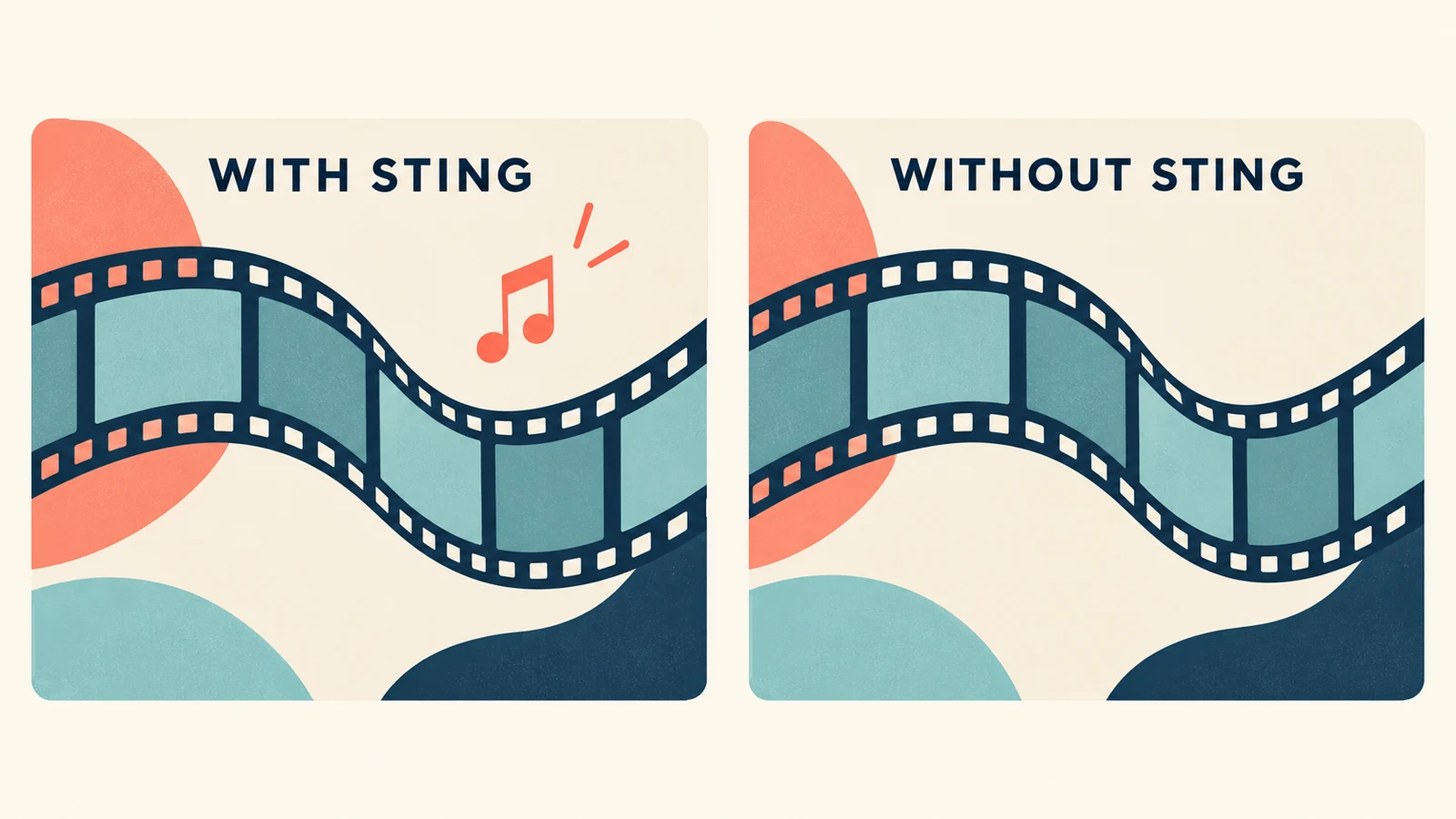
Make one version with your proposed brand sting and one without it. Keep the spoken material and main content the same so the difference is easy to assess.
Watch both from the beginning without scrubbing. Note the moment when each version first answers the viewer's likely question. Then ask:
- Does the opening make the subject clear without repeating the title word for word?
- Can the logo or channel name appear while useful content is already happening?
- Is there a greeting, summary, or request that can move later?
- Does the music make the transition clearer, or merely longer?
- Can the viewer understand the first sentence at normal listening volume?
Ask someone unfamiliar with the edit what they expect the video to deliver after watching the opening. Their answer can reveal a mismatch between your intended promise and what is actually on screen. This is editorial feedback, not a controlled test or a forecast of retention.
Use published results carefully
After publication, revisit the opening alongside the retention report. If a dip lines up with the brand animation, inspect that transition. It is a candidate for a different edit, not automatic proof that the music caused the drop.
Keep a small change log for future videos: the opening structure, where the branding appeared, what the music did, and what you observed. Compare similar formats where possible. A short tutorial and a long interview may attract different viewers with different expectations.
Avoid changing the title, thumbnail, topic, opening, and distribution strategy and then attributing the entire outcome to a shorter sting. Several things changed. Use the evidence to form your next editing question rather than claiming a causal result you did not establish.
Check the exported file and the music permission
Play the final export on the devices you expect viewers to use. Listen for a clipped opening note, a missing fade, or speech obscured by the soundtrack. Confirm that the version you uploaded matches the edit you approved.
Keep the original music export and your edited cue separately. Retain the applicable license or service terms as well. A short excerpt is not automatically cleared for use merely because it is part of an intro. See our music permission checklist when choosing a source.
Questions about YouTube intro length
Does every video need a logo animation?
No. You can identify the channel within the opening footage, through a brief sound, or elsewhere in the video. Use a separate sting only when it serves the edit.
Is five seconds always the right length?
No. The two-to-five-second comparison in this guide is an editing starting point for a standalone sting. It is not a rule for the whole opening, and a no-sting version may fit the video better.
Should Shorts use the same intro as long videos?
Do not add a long-form title sequence automatically. Review the short as a complete piece and ask whether each opening moment contributes to its subject. A recognizable visual or sound can be integrated into the content rather than delaying it.
Give each opening moment a job
Choose your YouTube intro length by separating necessary setup from decorative delay. Make the promise clear, keep any brand sting brief, and fit the music to the edit. Then review the actual audience response without turning one duration into a guarantee of better performance.